
Multiple disciplines. Data-centric problems. Complex algorithms.
The Tippie Department of Business Analytics offers experts in data science, social network analysis, machine learning, optimization, statistics, transportation, operations management, and supply chain management. While faculty focus on their individual areas of specialty when conducting research, they bring that knowledge to life in the classroom. In fact, Tippie's Business Analytics faculty was awarded the prestigious UPS George D. Smith Prize for excellence in preparing students for careers in analytics.
Winner
“I really believe in empowering students, in helping them pursue knowledge and excellence, and in encouraging them to use that knowledge to help themselves and the others around them. That's the best thing I can do with my life. I’m here because the students are here. I measure my success by their success. I measure if I'm doing a good job by whether they feel like they're learning. The reason the university exists is to serve students.”
Academic programs
Business Analytics & Information Systems Major
Learn to solve problems in any organization using data. Graduates enjoy some of the highest job placement rates among Tippie undergraduate majors.
Full-time Master of Business Analytics
Immerse yourself in the fast-growing field of business analytics. The full-time, on-campus master’s is a two-semester program that will put you on the leading edge of a burgeoning industry hungry for top talent.
Part-time Master of Business Analytics
Gain expertise manipulating data and mining it for business insights. Weeknight courses are offered 100% online.
PhD in Business Analytics
The PhD in Business Analytics from the University of Iowa's Tippie College of Business is one of the leading doctoral programs in business analytics. It is a STEM designated PhD program with specializations in information systems, quantitative methods, and operations management.
Certificates
Business Analytics Certificate
Learn how to analyze data for business decisions by earning this graduate-level certificate. Offered 100% online.
AI and Technology Management Certificate
Focus in on the intersection of technology and management with a certificate that gives you a true competitive advantage.
AI and Machine Learning Certificate
Dive deeper into the technology that empowers today’s businesses.
95 %
within 6 months of graduation
150 +
$ 67,515
Class of 2024
Department research
Business Analytics faculty
Faculty within the department includes a roster of tenure-track faculty, experienced lecturers, and adjunct faculty from the corporate sector.
Research interests
From supply chain to data science to optimization, Tippie analytics faculty conduct research at the forefront of the field.
Department events

Research Forums
Register to attend our next lecture from a high-profile researcher in the industry.
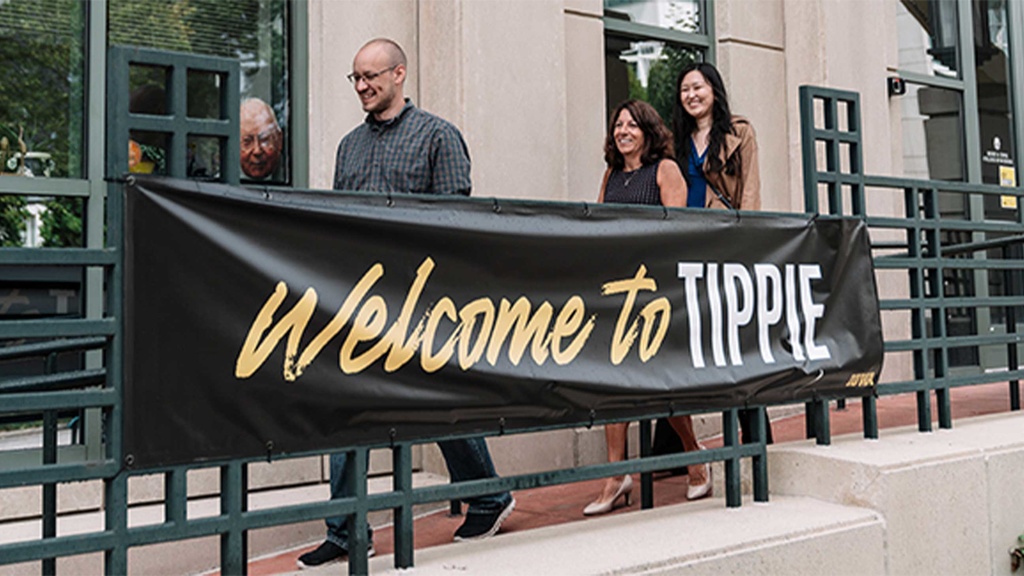
FutureBAProf
A workshop dedicated to de-mystifying the field of business analytics and supporting emerging PhD students and post-docs.
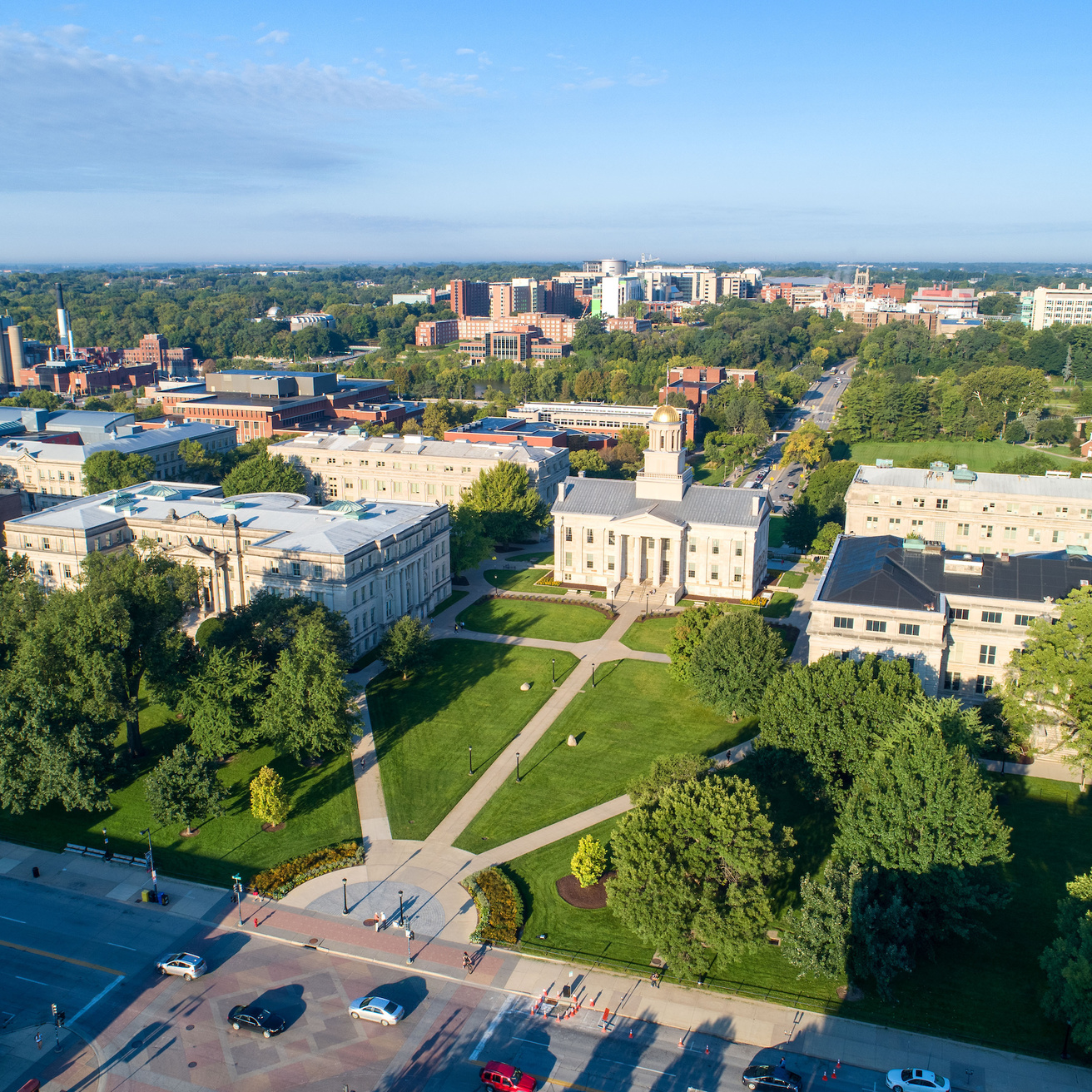
Tippie Analytics Cooperative
An opportunity for corporations to partner with current students with data expertise to solve their business challenge.
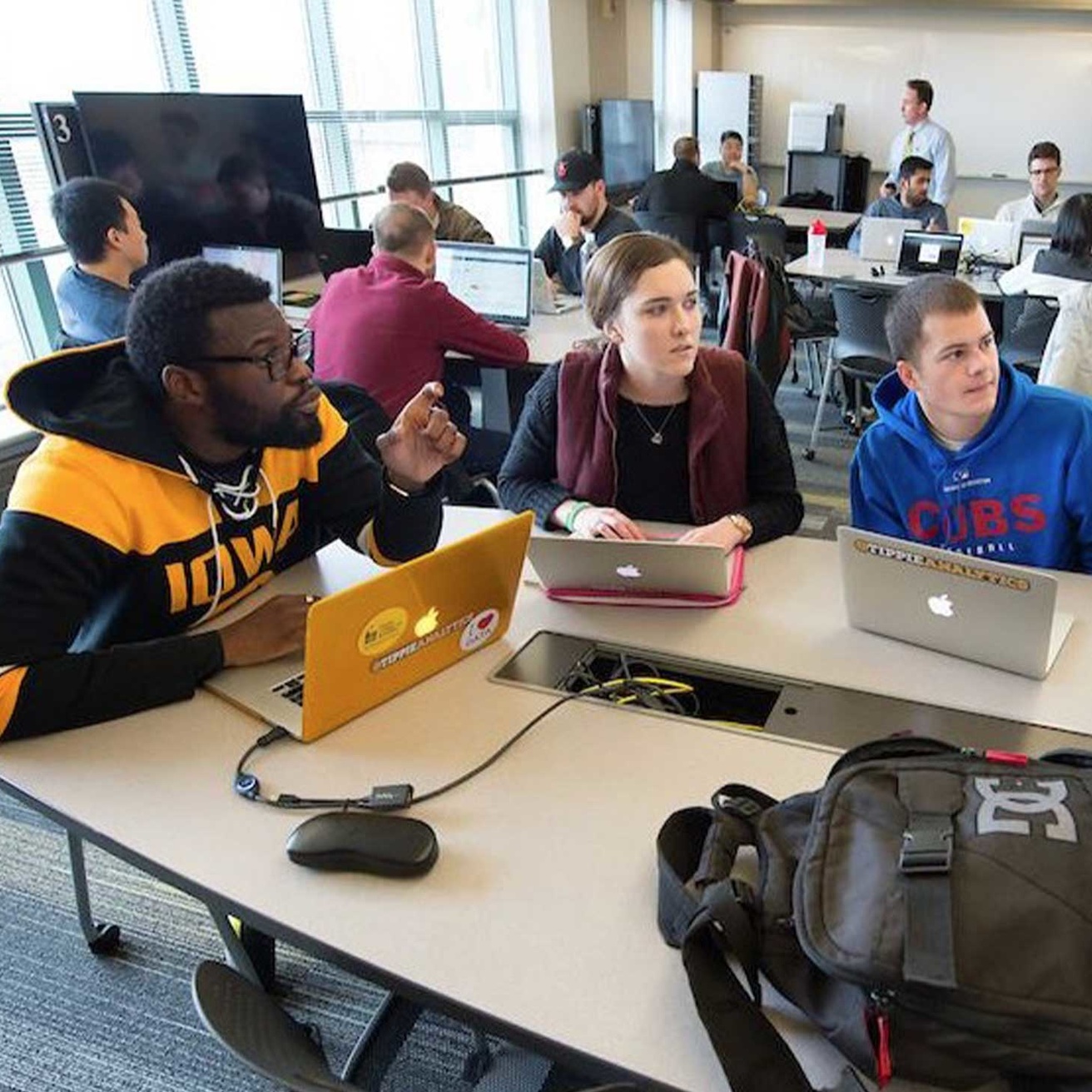
Tippie Analytics Cooperative Advisory Council
Includes business leaders and University of Iowa alumni who provide guidance for analytics students and programs.

UPS George D. Smith Prize
The Tippie College of Business received the UPS George D. Smith Prize, which recognizes the leading university in the world for excellence in preparing students to practice in the areas of analytics or operations research.
3 rd
# 15
U.S. News & World Report, 2026
266
Recent news

As AI is used more in job screening, candidates are urged to stay natural and prepared

Kristof-Brown appointed to second term as dean of the Tippie College of Business

Use AI ethically
Contact us
Business Analytics
W252 Pappajohn Business Building
tippie-west-asst@uiowa.edu
319-335-0858
Support us
Your gift to the Department of Business Analytics at the Tippie College of Business helps fund future innovations and initiatives.