Featured News

Pinned content, custom sorted.
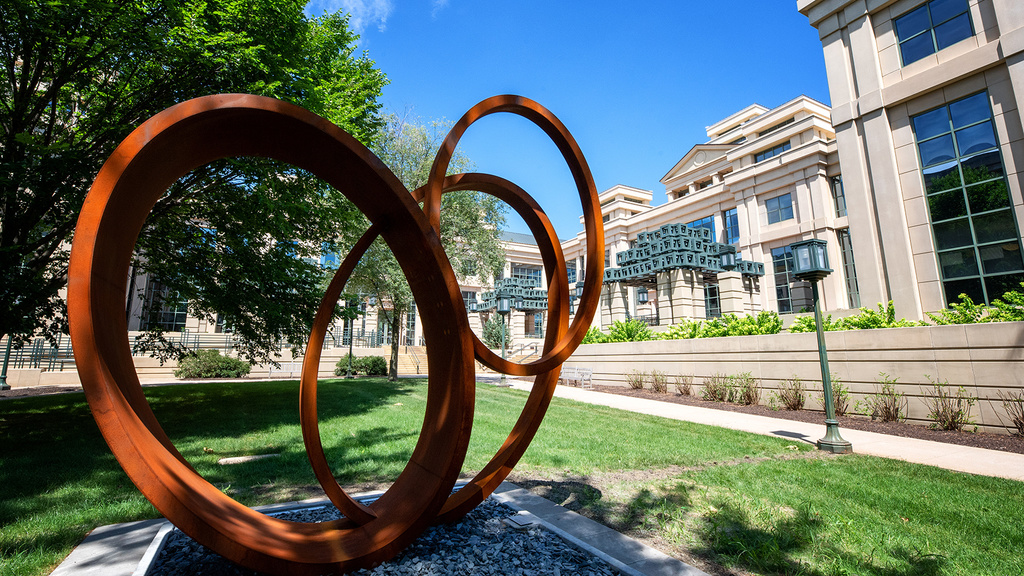
The Tippie of Tomorrow
Introducing the newly reimagined business campus at the University of Iowa.

Looking for your first job? Be flexible, gain momentum
Monday, May 11, 2026
What kind of job market will 2026 graduates face after they turn their tassels? The director of undergraduate career services at the Tippie College of Business says it’s complicated, competitive, and changing faster than many realize.

Trade with China quietly shook U.S. community banks
Friday, May 8, 2026
A new study from a Tippie College of Business researcher finds the financial services sector has been hit hard in regions that have struggled since China joined the WTO, especially small community banks that rely on local businesses and borrowers.

Professor Rong Su receives prestigious honor for academic accomplishments
Monday, April 27, 2026
Rong Su, associate professor of management and entrepreneurship and Mahoney Fellow, has been elected a Fellow of the Association for Psychological Science, one of the highest professional distinctions in psychological science.

Too soon?
Wednesday, April 22, 2026
A new study from researchers at the Tippie College of Business finds that when a package that’s ordered online is delivered earlier than the promised delivery date, the purchaser is apt to give it fewer stars when they leave an online review.

Study finds crypto traders lack financial savvy
Tuesday, April 21, 2026
Millions of Americans trade cryptocurrency, but a new study from the Tippie College of Business finds many may not be very savvy when it comes to finance, acting more like meme stock traders and failing to report gains on their taxes.

How HR can help public companies succeed long after the IPO
Tuesday, April 14, 2026
A new study from a University of Iowa researcher provides management lessons that can help newly public businesses survive long-term. For starters, have an HR exec.
Tippie in the news
Iowa college graduates may face slower hiring process from employers
Thursday, May 14, 2026
Job seeking advice as thousands of new Iowa college graduates appear
Wednesday, May 13, 2026

Tippie Magazine
Tippie Magazine is published semi-annually for alumni and friends of the University of Iowa Tippie College of Business.

Iowa Ledger
An annual publication for alumni and friends of the Department of Accounting at the Tippie College of Business.

Exchange
Exchange is an annual publication for friends and alumni of the Tippie College of Business finance department.
Upcoming events


Annual events
Tippie Summit
A series of events providing insights and inspiration to people in business in Iowa and around the world.
Business Analytics FutureBAProf
A workshop dedicated to de-mystifying the field of business analytics and supporting emerging PhD students and post-docs.