
Discover essential networking opportunities to seek in an MBA program for career growth and professional connections.
If you’ve ever wondered, “Why should I get an MBA?", one of the most valuable parts of the experience is the networking opportunities it provides. Beyond Zoom screens and capstone courses, your MBA connects you with people who can shape your career long after graduation.
As MBA programs continue to evolve, so do the ways you build connections. And the best programs don’t just hand you a network—they put you in the middle of one. Today’s students prioritize outcomes like career growth, skill development, and professional access1 — all of which are closely tied to the strength of your network.
What networking opportunities should I look for in an MBA program?
When you’re checking out MBA programs, it’s not just about the coursework—it’s about the professional ecosystem you’re stepping into. And who’s in it matters.
Alumni get-togethers—tap into your circle.
Look for MBA programs with active alumni networks. One of the most valuable benefits of an MBA is access to people who are willing to share insights and open doors. Instead of thinking of an alumni network as a list, view it as a fast pass—one that connects you to real conversations and mentorship.

“The Iowa MBA is a great opportunity to understand what else is out there. You will meet a lot of really fantastic people in the program who are doing a myriad of different things. The networking aspect is really big.”

Industry conferences—be in the room where it happens.
Industry conferences and events are your chance to get valuable facetime with people in your field. These quick conversations can matter more than the presentation itself. (Sorry, guest speakers). Research shows that roles found through networking are often a better fit, leading to higher job satisfaction and longer tenure.2

“I had conversations with two Iowa MBA alum who had previously worked where I was applying. They helped me really understand the culture, the vibe, and the direction of the company before I had the final interviews.”
Guest speaker sessions—learn from the experts.
Programs that feature guest speakers don’t just expose you to industry leaders—they give you the chance to practice business networking basics in real time, from asking thoughtful questions to exchanging business cards with a CEO.
Connection built in
Many MBA programs now include more informal ways to connect, like virtual coffee chats, small group sessions, and even online happy hours. They create space for more natural conversations—but strong networking starts even earlier.
At Tippie, that’s built into the structure of the program. As Greg Carradus, Associate Director of Graduate Program Enrollment, explains:
“The Iowa MBA is fundamentally built on relationships, alongside a strong business education. Even though it’s an online program, it’s still very much an MBA experience. Through live classes and group projects, students experience authentic, organic networking—building real relationships in real time that extend far beyond the classroom.”
Working the room: how to network as an MBA student
Networking isn’t small talk—it’s strategy. It’s intentional, immediate, and more impactful. You’re building relationships with professionals who are actively shaping what’s next in their careers and yours.
At Tippie College of Business, 97.3% of undergraduates are employed or enrolled in graduate school within six months—proof that the right connections, experiences, and preparation pay off.
Attend workshops—build your confidence (and your pitch)
These aren’t just resume reviews. Workshops help you sharpen how you tell your story, define your goals, and show up with clarity in high-stakes conversations.
Find your people
Clubs and organizations aren’t just extracurriculars. They’re where relationships take shape. Joining a group with people who share your interests and experiences makes it easier to build connections that stick.
Engage online—access is everywhere, connection is earned
Online MBA programs expand who you can meet, and candidates are increasingly confident that those programs deliver real networking value.3 The best online MBA networking tips are simple: Show up consistently, contribute to conversations, and follow up.

“I wasn’t sure what to expect with an online program, but with the cameras on and the conversations that were happening—you still had that level of engagement that I was afraid you’d miss in an online class.”
What networking strategies should I consider to maximize the benefits of my MBA program?
You know a strong network isn’t built by accident. Not all networking opportunities are created equal—put these strategies in your tool belt.
Be curious
The value of your network comes from its diversity. Consider what types of MBA students to network with—along with faculty and professionals in different industries, roles, and career stages.
Who might you actually meet?
- The startup founder who’s about to scale—and needs help yesterday
- The exec hiring for a role that isn’t posted yet
- The alum who made the exact pivot you’re thinking about
- That quirky professor who casually drops insights that change how you think
- The classmate who ends up being your future referral
This is where things start to click.
Engage consistently, especially online
In an online MBA, your presence is your reputation. The classmates who contribute and follow through are the ones others remember—and reach out to later. Use discussions, group work, and meetings not just to participate, but to sharpen your skills while building visibility.
Use social media with purpose
LinkedIn isn’t just a place to update your job title; it’s where you’re seen. Stir up some FOMO by sharing what you’re learning and be a part of conversations. This will keep you on others’ radar when opportunities come up. That matters because referrals still play a major role in how people get hired4—reinforcing the importance of being intentional.
Follow up and build momentum
You wouldn’t meet someone once and expect them to remember you, we hope. Networking works the same way. What happens after the first conversation is what builds the relationship.
3x
LinkedIn Labor Market Report, 2026
How do different MBA programs vary in terms of networking opportunities?
Not all MBA programs offer the same networking experience — top-ranked programs are designed to help you get the full benefits of networking, so you’re getting the most bang for your buck.
In-person program
In-person MBA programs build networking into your daily routine. That proximity lowers the barrier to connection and makes it easier to build trust quickly, turning everyday interactions into meaningful relationships.
Online programs
Online MBA programs develop a different kind of networking skill set. You’re building relationships across locations and industries and learning how to stay connected over time. You’re not just building a network—you’re learning how to sustain one.
As Greg puts it, “At Tippie, students can take part in optional 'Destination Courses' in Iowa City and Des Moines, as well as global learning opportunities that combine business education with immersive, on-the-ground networking. At its core, networking isn’t a sidenote in the Iowa MBA—it’s part of the experience.”
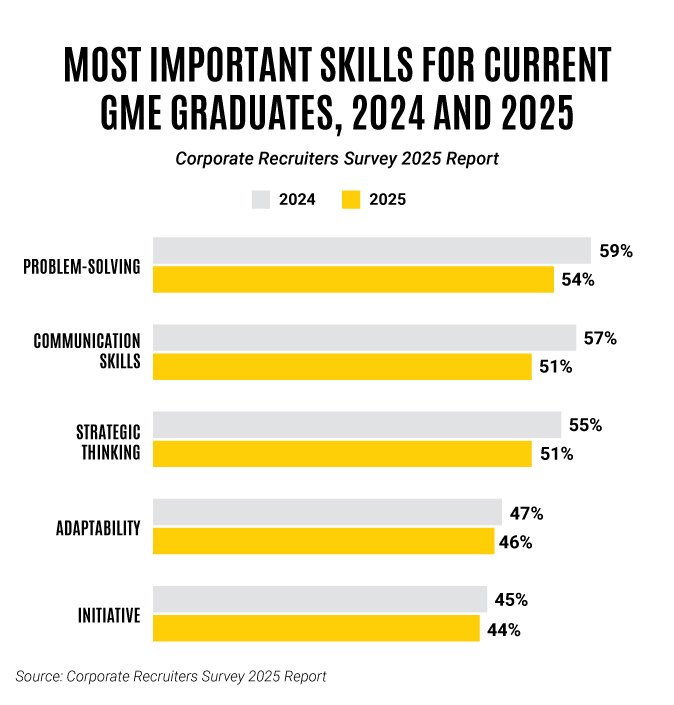
As technology evolves, human connection remains essential. Research from the GMAC Corporate Recruiters Survey shows that employers continue to prioritize skills like problem-solving, communication, and teamwork when making hiring decisions.5
Program reputation and reach
A strong alumni network and employer partnerships can significantly boost the benefits of networking—giving you access to opportunities during your MBA and long after graduation. Ultimately, it’s these connections that shape the undeniable ROI on your MBA. Unlock your potential and see how an MBA can transform your career. You can explore more in Why Should I Get an MBA.
Related articles


Sources
- Graduate Management Admission Council. Prospective Students Survey, 2025.
- Guo, S., & Chen, Y. Heterogeneous returns to social networks: Effects on earnings and job satisfaction. International Journal of Environmental Research and Public Health. 2022.
- Graduate Management Admission Council. Online & Hybrid Learning Data Report, 2024.
- LinkedIn. Labor Market Report, 2026.
- Graduate Management Admission Council. Corporate Recruiters Survey, 2025.